

Helping you move forward
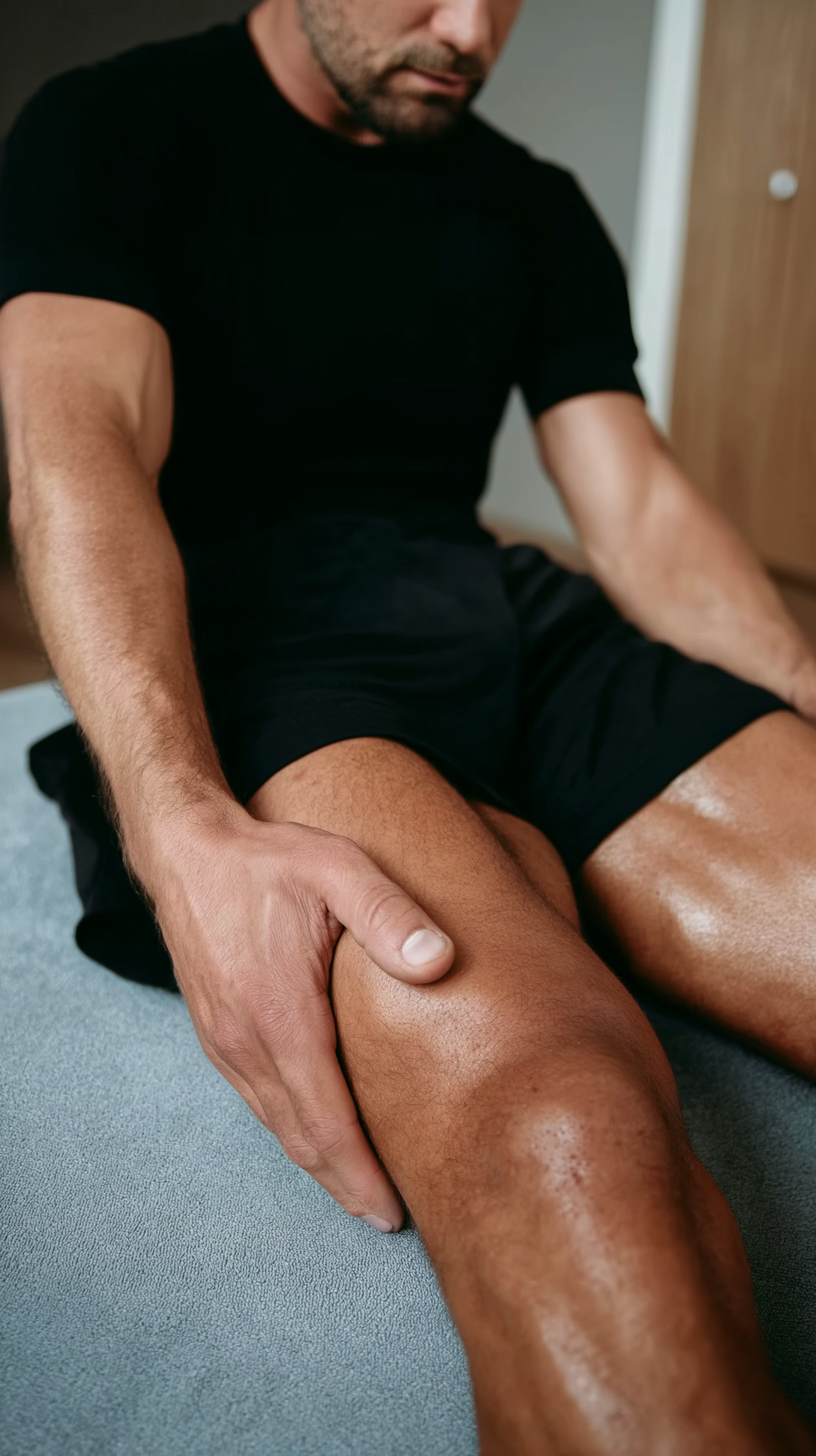
The first step to moving forward with an injury is an accurate diagnosis and good understanding of the injury itself.
We will listen to you about your experience with your injury, how it is impacting you, and how you would like to be moving as your injury improves. We will take time to discuss the pattern of your symptoms as this is an important step in developing a correct diagnosis.
From here, we will assess the way that you move. Often, we look at the bigger picture first like walking, running, squatting or getting up and down from a chair. We then focus in on the injured area and perform a series of tests to confirm a diagnosis.
Injury Assessment

Exercise is a foundational treatment approach in physiotherapy.
Early in the rehabilitation process, mobility and activation exercises are paramount. We prescribe these to allow you to restore range of motion and get moving again.
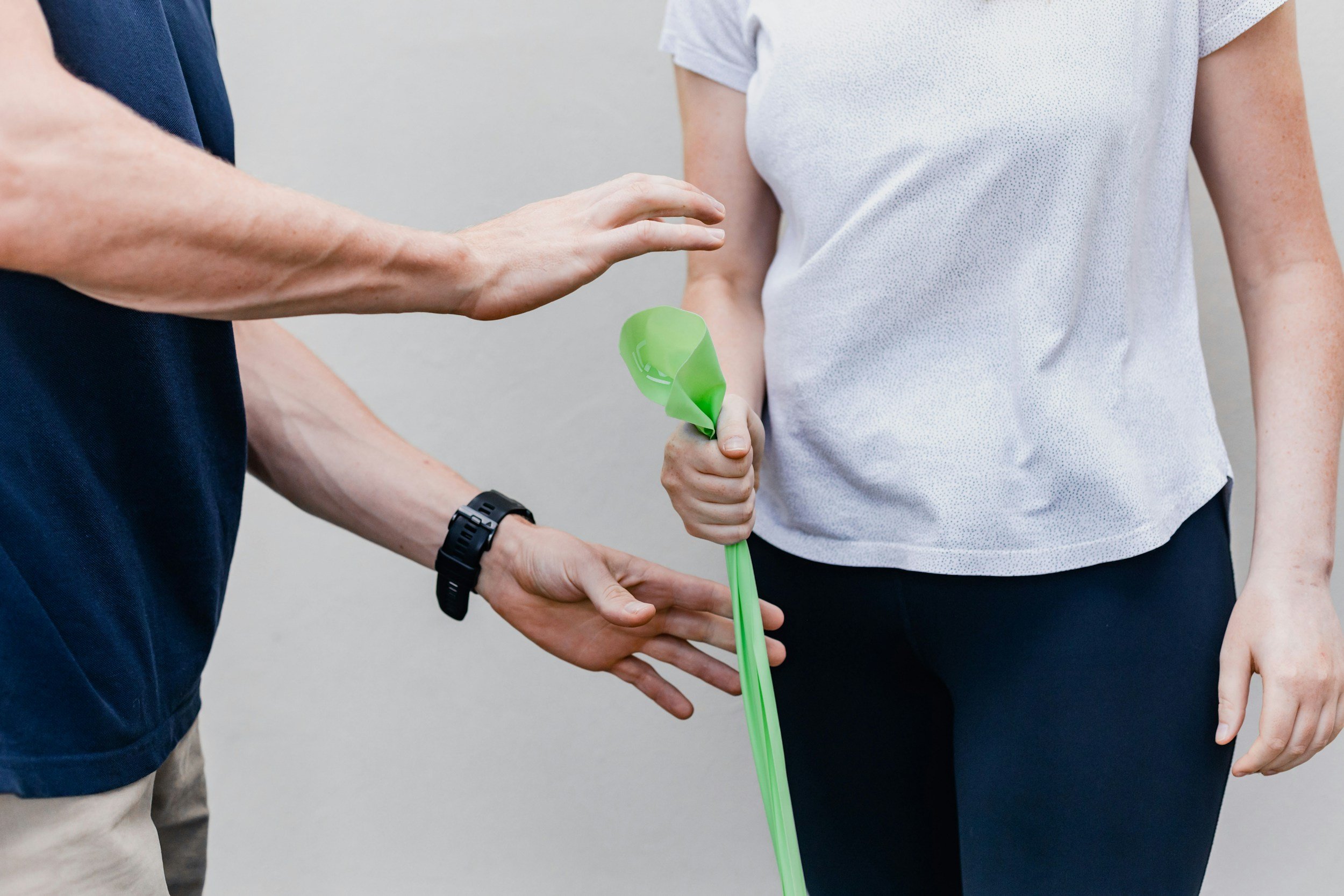
Progressing you to strength exercises (ranging from body weight, to bands, to weights) is an important next step. Being strong will ensure that your body has the capacity to move well in everyday activities, in the gym, or on the field.
Exercise Rehabilitation

Injuries in sport can stop you playing altogether….
Once you have regained basic function after your injury, we will progress your rehab to meet the demands of your sport. At Advance, we understand the difference between sports, positions, and play styles. This means we individually tailor your rehabilitation program to get you back to the way you play.
…or get in the way of you performing your best.
Niggles can commonly get in the way during season. The key to managing this is getting a detailed assessment of why this body area is being overloaded. We will then work with you to better offload your niggle by strengthening other areas and improving your movement patterns.
Sports Injury Management
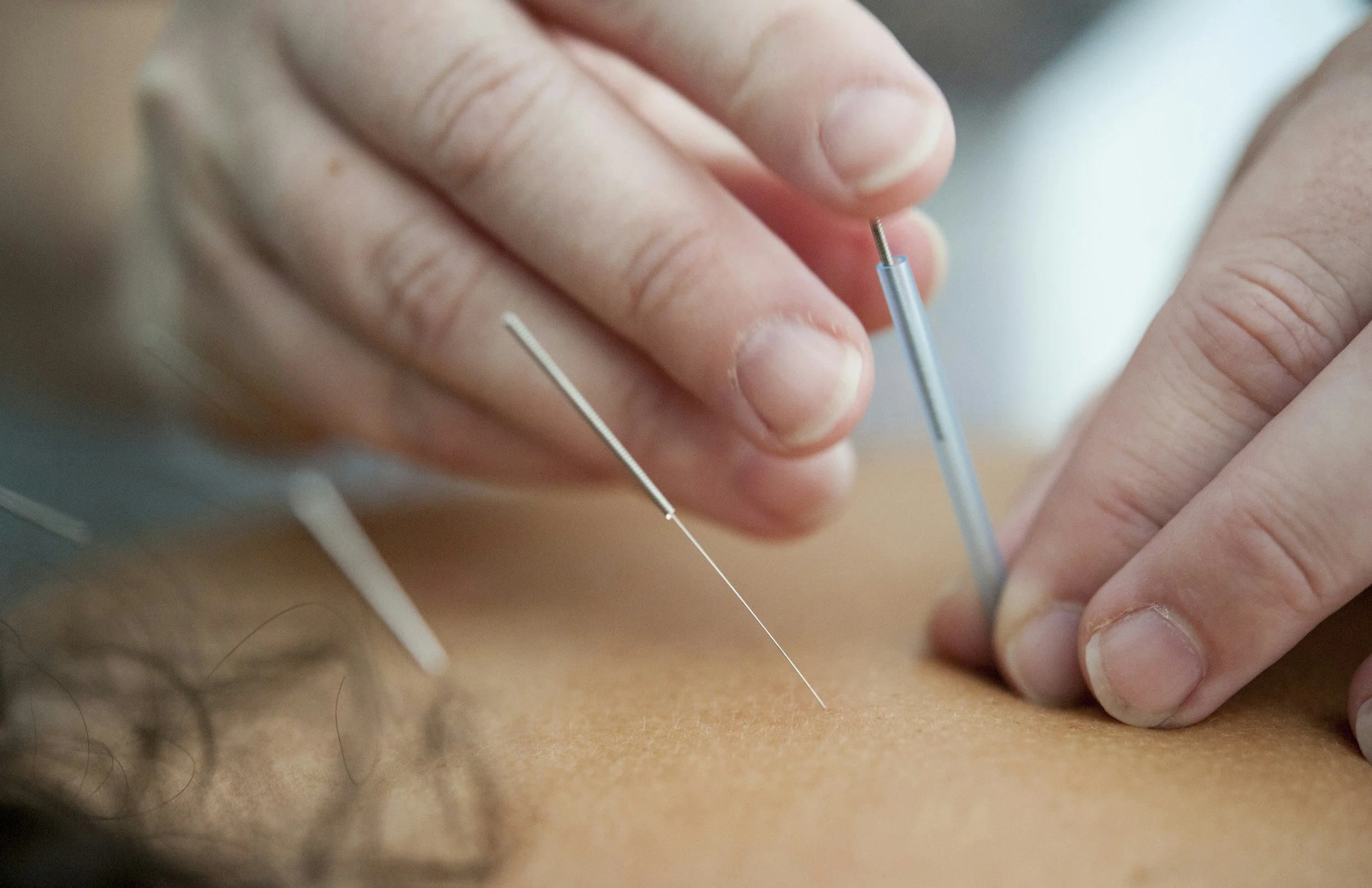
Dry Needling is effective in relieving muscle tension.
At Advance, we utilise dry needling to target tight muscles and associated trigger points. This can create a good improvement in your pain and mobility.
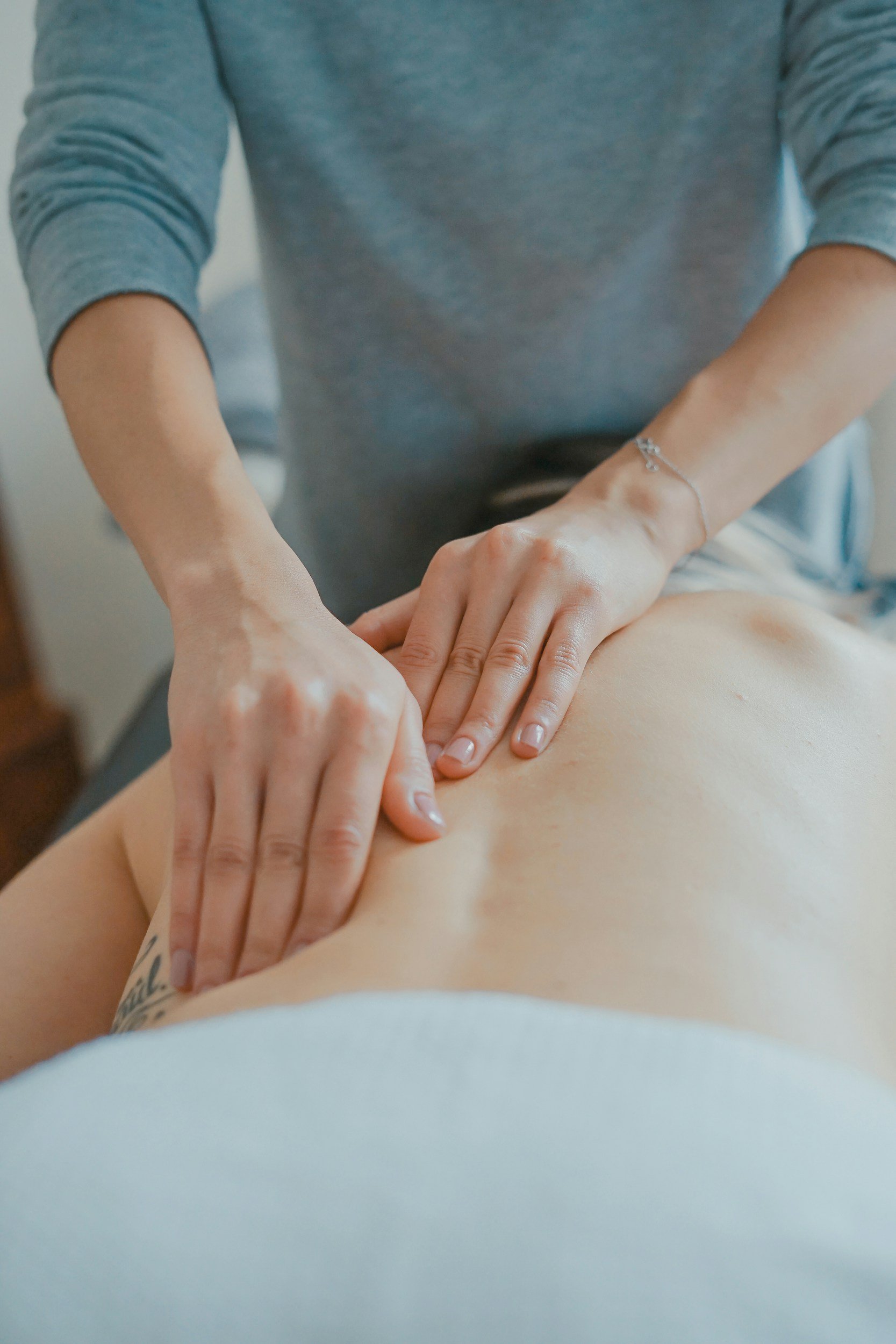
Massage and Manual therapy is a useful tool for reliving pain and restoring movement.
We are highly skilled at providing hands on treatment. The team at Advance has range of manual therapy techniques to allow us to help you in the early stages of injury when your pain levels are high, or to push you towards overcoming the last bit of stiffness associated wth your injury.
Post-Operative Rehabilitation
Manual Therapy/ Massage
Dry Needling
Post-surgery physiotherapy is important to restore function and strength to the site of injury and surrounding structures.
We have experience working with sports-related surgeries such as: ACL-reconstruction, meniscal repairs, shoulder reconstruction, syndesmosis reconstruction.
We also work frequently with patient’s with hip and knee replacements, rotator cuff repairs and fractures which have required fixation.
Who Do We Service?
Private Clients
We work with anyone needing to improve their movement, performance, or even just day-to-day life! Taking pride in bringing you back to form.
You do not need a referral to attend.
Department of Vetrans’ Affairs (DVA)
We provide treatment to DVA members. To ensure you are eligible, please provide a referral for physiotherapy from your GP, a list of your eligible conditions, and we will sight your DVA card.
Medicare Enhanced Primary Care Plan (EPC) Recipients
We are able to complete online claiming through Medicare. Please provide a copy of your EPC plan.
Workers Compensation
Injuries happen in busy workplaces. We pride ourselves on getting people back to their pre-injury function.
If you are needing physiotherapy after a workplace injury please ensure you have received approval from your claims manager for physiotherapy services. Once you have received this, email us a copy of your claim number and approval and we can begin to work together with no cost to you.
NDIS
We understand that individual’s with disability require treatment tailored to their goals and needs. Please get in touch to discuss whether Advance can provide the right care for you.
Initial Appointment
$140 - 45mins
For your initial appointment, you can expect to meet with someone who will take the time to listen to you about your experience with your injury, how it is impacting you, and how you would like to be moving as your injury improves.
Your physiotherapist will then complete a thorough examination of the injury and the way it is impacting your movement.
The combination of your symptom history and our examination will allow to us to determine a diagnosis and collaborate with you on the best next steps to manage your injury.
Treatment will be tailored to your individual context. In the presence of pain and stiffness we use tools such as massage, manual therapy, and dry needling to improve local tissue functioning. We will often pair this with mobility exercises to ensure you are able to maintain this function between sessions. Exercise is a foundational treatment, and this will also typically include activation exercises and the progression onto strength exercises (ranging from body weight, to bands, to weights) to ensure once your body is pain free it can do what it needs to for your everyday activities.
Review Appointment
$120- 30 mins
Review appointments will focus on the progression of your treatment. The session will likely begin with a check-up on your key symptoms and re-assessing any key measures. This will help your physiotherapist to determine which treatment would be most effect for each session, and also guide the progression of your exercise rehabilitation plan.